
The Legal Backdrop Behind Isaiah’s Law 2026
Key Takeaways: HB 35, known as Isaiah’s Law 2026, targets Florida’s habitual traffic offender framework to strengthen accountability for repeat dangerous drivers. Victims of an unlicensed driver accident in Miami have a separate civil pathway to recovery under Florida negligence and wrongful death statutes. A criminal conviction for driving while designated a habitual traffic offender may support a negligence per se argument in a parallel civil claim. Florida’s two-year filing deadline and its modified comparative fault rules make prompt action and thorough documentation important. This article explains the legal backdrop, a realistic scenario, and practical next steps.
Florida lawmakers have renewed attention on repeat dangerous drivers through HB 35 Florida, informally called Isaiah’s Law. The measure focuses on the state’s habitual traffic offender framework, a system designed to identify and remove drivers with repeated serious violations from the road. For anyone injured in Auto Accidents in Miami/Florida, this legislative spotlight raises a practical question many victims ask after a wreck. Knowing when should I contact a car accident attorney after a crash in Florida often shapes how effectively evidence is preserved and how a claim unfolds.
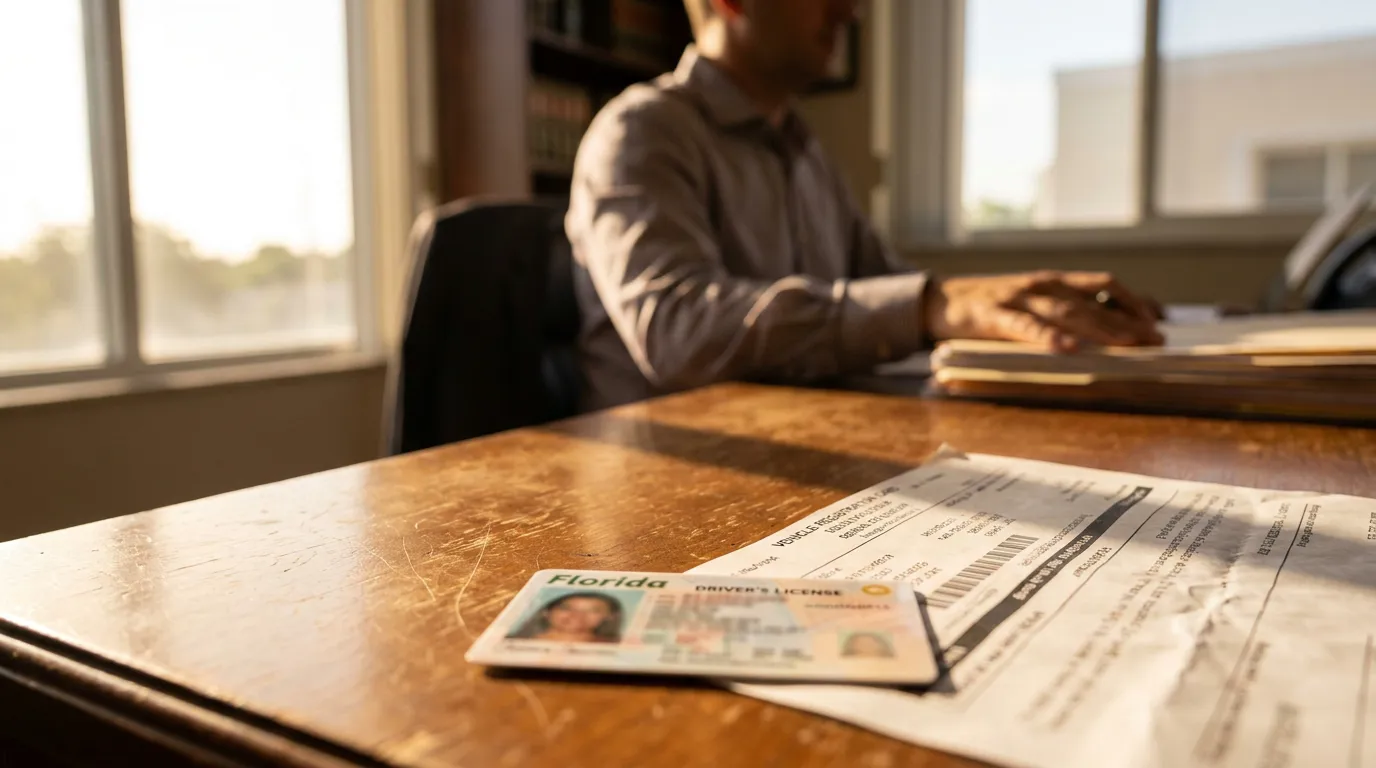
The Legal Backdrop Behind Isaiah’s Law 2026
Florida has defined a "habitual traffic offender" for decades, and HB 35 builds on that existing structure. Under Fla. Stat. § 322.264, a person may be designated an HTO when their driving record shows three or more convictions for serious offenses, such as DUI, manslaughter resulting from vehicle operation, driving on a suspended or revoked license, or failing to stop and render aid, within a five-year period. The statute also captures drivers with 15 or more convictions for moving violations for which points may be assessed in that window. This definition is the foundation that any 2026 legislation seeking tougher accountability would modify.
Once someone receives the HTO designation, the consequences are significant. The Department of Highway Safety and Motor Vehicles must revoke that person’s license, and the individual generally is not eligible for relicensing for a minimum of five years. Driving while designated a habitual traffic offender, with a license revoked under that designation, is generally classified as a third-degree felony. These provisions live within the state’s broader driver-licensing rules, and readers can review the current text of Florida driver-licensing law to see how the chapter is organized.
The criminal classification matters to injury victims for a specific legal reason. In many cases, a criminal conviction for the at-fault driver can serve as persuasive evidence supporting a negligence argument in a parallel civil lawsuit. In Florida, a statutory violation is treated as negligence per se only when the statute is designed to protect a particular class of persons from a specific type of harm; other violations serve merely as evidence of negligence. Whether that doctrine applies depends on the facts, and courts evaluate each case individually.
How an Unlicensed Driver Accident Can Upend a Miami Family
Imagine a rideshare passenger heading home through Brickell late on a weekday evening. A driver who had already lost his license under the HTO framework runs a red light and strikes the vehicle, leaving the passenger with spinal injuries and mounting medical bills. The injured passenger faces not only physical recovery but also lost wages, insurance uncertainty, and questions about who can be held responsible. The emotional weight of that situation drives families to seek answers quickly.
A scenario like this often involves more than one potentially responsible party. If the driver was working for an employer at the time, Florida law prohibits knowingly authorizing or permitting an unlicensed person to drive a vehicle under one’s control, which can support negligent-entrustment or negligent-hiring claims. Cases involving foreign or uninsured drivers can add further complexity, and our discussion of what happens when a collision involves an international tourist driver without valid U.S. insurance explores related coverage challenges. Identifying every liable party early can meaningfully affect the compensation available in a Miami-Dade injury claim.
Civil Recovery Runs Separately From Criminal Penalties
HB 35 addresses criminal accountability, but a victim’s civil claim follows a different track. Florida’s Wrongful Death Act allows a decedent’s family to pursue civil recovery when a death results from another’s wrongful act or negligence, even where the death occurred under circumstances constituting a felony. This civil pathway is distinct from any criminal case the state may bring against the at-fault driver. The two proceedings can move on parallel timelines and serve different purposes.
A wrongful death action must be brought by the decedent’s personal representative on behalf of statutorily defined survivors. Those survivors generally include a spouse, children, parents, and certain dependent blood relatives and adoptive siblings. Recoverable damages may include:
- Lost support and services the decedent would have provided
- Loss of companionship and guidance
- Mental pain and suffering of eligible survivors
- Medical and funeral expenses connected to the death
For non-fatal injuries, negligence principles govern how responsibility is measured. Florida applies a modified comparative fault system in which each party is assigned a percentage of fault, and judgment is entered in proportion to that percentage. A defendant who wants to shift blame to a nonparty must affirmatively plead and prove that nonparty’s fault by a preponderance of the evidence. For a deeper look at how courts approach apportionment, the Florida Bar’s analysis of comparative fault apportionment offers helpful context.
Why the 50 Percent Bar Changes Strategy
Florida’s 2023 tort reform created a hard limit that every injury victim should understand. Under the current statute, a party found to be more than 50 percent at fault for their own harm may not recover any damages, though this bar does not apply to actions for medical negligence. This rule underscores why documenting the scene thoroughly is important, because defense teams frequently try to shift fault percentages toward the injured person. Photographs, witness contact information, and prompt medical records can all matter.
Deadlines That Rarely Bend
Florida imposes a two-year statute of limitations on most negligence-based injury claims accruing on or after March 24, 2023, including car accident and wrongful death actions. The clock generally starts on the date of the crash, and waiting too long can permanently bar recovery. Tolling, meaning a pause in the deadline, is available only in narrow situations that courts interpret strictly, such as the defendant’s absence from the state, concealment through use of a false name, or an adjudicated incapacity. General hardship or delayed discovery of the full extent of injuries does not automatically toll the deadline.
Practical Steps and When Should I Contact a Car Accident Attorney After a Crash in Florida
The most common practical question victims raise is one of timing. Because the two-year window and the comparative fault rules both reward early, careful preparation, many injured people find that acting sooner protects their options. Understanding when should I contact a car accident attorney after a crash in Florida is less about a single deadline and more about preserving evidence before it disappears. Skid marks fade, surveillance footage is overwritten, and witnesses become harder to locate.
A few grounded steps can help protect a potential negligence claim Miami residents may pursue. These general suggestions are not individualized legal advice, and outcomes always depend on the specific facts:
- Seek prompt medical evaluation and follow through with treatment
- Report the crash and obtain the official crash report
- Preserve photos, video, and the names of any witnesses
- Avoid recorded statements to an insurer before understanding your rights
- Note whether the other driver appeared unlicensed or was cited
Legal deadlines for civil claims differ from any administrative or government claim deadlines that may apply. If a government vehicle or public entity is involved, separate notice requirements and a shorter window to act can apply before suit is filed. This distinction is easy to overlook, which is another reason careful review of the applicable statute of limitations, viewable through the state’s compilation of Florida limitations periods, can be valuable early in a case.
How Does This Impact Me?
Does HB 35 Change My Deadline to File a Civil Lawsuit?
HB 35 focuses on criminal accountability for habitual offenders, not on civil filing deadlines. The two-year statute of limitations for negligence and wrongful death claims continues to apply. Because tolling is available only in limited circumstances that courts read narrowly, it is prudent not to assume any extension applies.
Can a Driver’s Criminal Charge Help My Injury Case?
In many cases, a conviction for a traffic-related felony can support a negligence argument, but it is not automatic. Negligence per se depends on the statute violated and the specific facts. A civil claim still requires proof of causation and damages, so the criminal outcome is one factor among several.
What If the At-Fault Driver Has No License or Insurance?
An unlicensed or uninsured driver can complicate recovery, yet other sources of compensation may exist. Uninsured or underinsured motorist coverage, employer liability, and negligent-entrustment claims are among the avenues that may apply. A Miami car accident attorney can help evaluate which coverages and parties are potentially responsible.
What Should I Do Right After the Crash?
Prioritize safety and medical care first, then focus on documentation. Gather evidence, obtain the crash report, and be cautious about statements to insurers. These steps help preserve the value of a potential Miami-Dade injury claim while the facts are fresh.
Bringing the HB 35 Picture Into Focus for Miami Victims
Isaiah’s Law 2026 signals continued attention to repeat dangerous drivers, but the civil system remains the primary route to compensation for injured victims and grieving families. Between the two-year deadline, the modified comparative fault bar, and the layered questions of liability in an unlicensed driver accident, the facts of each case drive the outcome. Victims who document thoroughly and understand their deadlines are better positioned to protect their rights. If your situation may be affected by these developments, guidance from a trusted Miami car accident attorney can help clarify your options.
The Soffer Firm has been voted Super Lawyers "Rising Star" and "National Trial Lawyers – Top 40 Under 40" multiple years because of our dedication to clients. We work on a contingency basis, meaning we don’t get paid unless you do. Our track record includes millions recovered for our clients.
Our Florida personal injury lawyers are here to guide you through your legal case. Contact us today at 305-503-5634.


