
What Drives the Value of a Slip and Fall Claim in Miami?
Several interconnected legal and factual elements determine how much compensation you may recover after a slip and fall accident in Miami. Florida law ties settlement value to proof of the property owner’s knowledge, the severity of your injuries, your own degree of fault, and strict filing deadlines. Understanding these factors helps you make informed decisions and avoid costly mistakes that reduce or eliminate your recovery.
The Soffer Firm has been voted Super Lawyers "Rising Star" and "National Trial Lawyers – Top 40 Under 40" multiple years because of our dedication to clients. We work on a contingency basis, meaning we don’t get paid unless you do. Our track record includes millions recovered for our clients.
Our Florida personal injury lawyers are here to guide you through your legal case. Contact us today at 305-503-5634.
Proving the Property Owner Knew About the Hazard
The single most important element in a Miami slip and fall case is proving the business or property owner had knowledge of the dangerous condition. Under FL § 768.0755(1), if you slip and fall on a transitory foreign substance in a business establishment, you must prove that the business had actual or constructive knowledge of the hazard and should have taken action to remedy it. Without this proof, your claim may fail entirely regardless of how serious your injuries are.
How Constructive Knowledge Works
Constructive knowledge does not require proof that the owner literally saw the hazard. Under FL § 768.0755(1)(a), you can establish constructive knowledge by showing the dangerous condition existed long enough that the business should have discovered it through ordinary care. For example, if a puddle sat in a grocery store aisle for 30 minutes with no employee inspection, that timeline may support constructive knowledge. Additionally, FL § 768.0755(1)(b) allows you to prove constructive knowledge by showing the condition occurred with regularity, making it foreseeable.
FL § 768.0755(2) also preserves common-law duty of care obligations for those who possess or control business premises, meaning additional legal avenues beyond the transitory substance statute may apply depending on the facts.
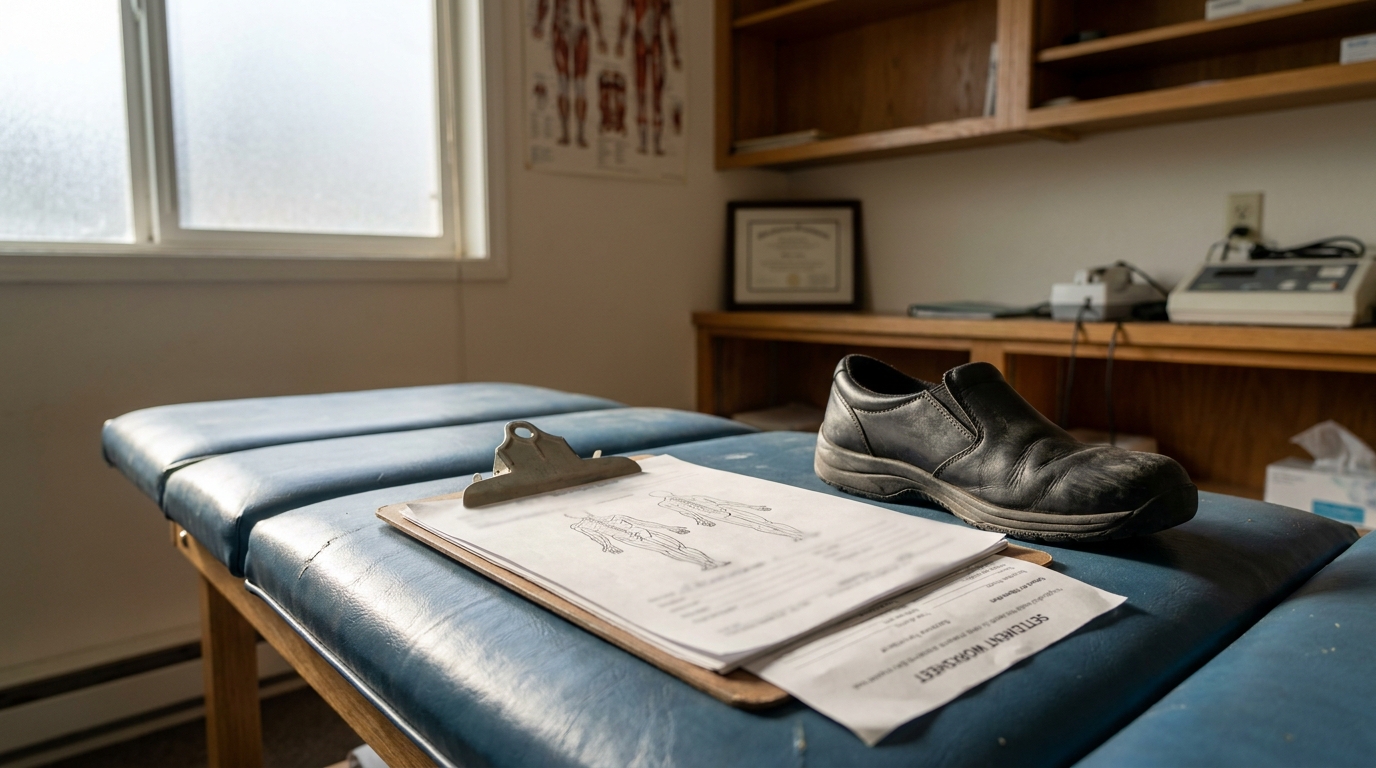
💡 Pro Tip: Photograph the hazard, your shoes, and the surrounding area immediately after a fall. Timestamped photos from your phone can become powerful evidence of how long a condition existed and whether the property owner failed to address it.
How Comparative Fault Affects Average Slip and Fall Settlement Amounts in Florida
Florida’s modified comparative fault rule, enacted in 2023, is one of the most powerful variables shaping your final settlement figure. Under FL § 768.81(6), if you are found greater than 50% at fault for your own accident, you are completely barred from recovering any damages. If your fault is 50% or less, your compensation is reduced proportionally by your percentage of responsibility.
Here is how this plays out in practice:
| Your Fault Percentage | Total Damages | Amount You Recover |
|---|---|---|
| 0% | $100,000 | $100,000 |
| 20% | $100,000 | $80,000 |
| 50% | $100,000 | $50,000 |
| 51% or more | $100,000 | $0 |
The defense has a strong incentive to push your fault percentage as high as possible. Insurance adjusters and defense attorneys commonly argue that the hazard was "open and obvious," meaning a reasonable person would have noticed and avoided it. They may also point to distracted walking, inappropriate footwear, or ignoring warning signs. Preparing to counter these arguments with solid evidence is essential to protecting your slip and fall case value in Miami.
💡 Pro Tip: Write down exactly what you were doing, where you were looking, and what footwear you had on at the time of the fall. Defense teams will scrutinize these details, and having a clear, consistent account from the start strengthens your position.
Medical Damages and the 2023 Billing Rule
The amount of medical damages you can recover in a Florida slip and fall settlement may be lower than you expect. Under FL § 768.0427(4), part of the 2023 tort reform, recoverable medical damages are limited to:
- Amounts actually paid by or on behalf of the claimant (including insurance payments)
- Outstanding charges that are still due and owing
- Projected costs of reasonable and necessary future medical treatment
This means inflated "sticker price" medical bills do not determine your recovery. If your hospital billed $50,000 but your insurer negotiated and paid $18,000, your recoverable medical damages generally reflect the lower figure. This statute can significantly reduce the medical damages portion of Miami fall accident damages.
💡 Pro Tip: Keep organized records of every medical bill, insurance payment, and out-of-pocket expense from day one. These documents directly determine the medical damages figure in your claim, so gaps in your records can cost you money.
Common Defense Tactics That Lower Settlement Value
Property owners and their insurers use several recurring strategies to minimize or deny your claim. Being aware of these tactics helps you and your legal team prepare effective responses.
Pre-Existing Conditions and Causation Challenges
A common defense tactic is arguing that your injuries existed before the fall. The defense may review your prior medical records and claim that your back pain, knee problems, or other conditions resulted from an old injury rather than the slip and fall. This does not bar your claim, but you need clear medical documentation linking your current symptoms to the accident.
The "Open and Obvious" Defense
Property owners frequently argue that the hazard was so visible that any reasonable person would have avoided it. According to common defenses in premises liability, this argument can reduce or eliminate liability. However, lighting conditions, distractions, and the nature of the hazard all factor into this analysis.
💡 Pro Tip: If the property owner placed a warning sign near the hazard, photograph it. The presence, placement, and visibility of warning signs often become contested evidence in these cases.
Filing Deadlines That Can Make or Break Your Claim
Florida law imposes strict time limits that directly affect your ability to recover any compensation. Under FL § 95.11(4)(a), you have only two years from the date of your slip and fall to file a negligence lawsuit. This deadline was shortened from four years by the 2023 tort reform and applies to causes of action accruing on or after March 24, 2023. Missing it generally means losing your right to any settlement entirely.
Tolling Exceptions Are Narrow
Florida’s tolling statute, FL § 95.051, provides a limited and exclusive list of circumstances that pause the statute of limitations clock. These include: (a) absence from the state of the person to be sued, (b) use of a false name by the person to be sued, (c) concealment in the state of the person to be sued, (d) adjudicated incapacity of the person entitled to sue before the cause of action accrued, (e) voluntary payments in paternity actions, (f) payment of principal or interest on a written instrument, (g) the pendency of any arbitral proceeding pertaining to a dispute that is the subject of the action, (h) intervening bankruptcy for certain tax proceedings, and (i) minority or previously adjudicated incapacity of the person entitled to sue during periods in which no parent, guardian, or guardian ad litem exists or has an adverse interest. FL § 95.051(2) explicitly states that no disability or other reason not listed in the statute tolls the deadline. Courts interpret these exceptions narrowly.
Government Property Claims Have Additional Rules
If your slip and fall occurred on government-owned property, additional procedural requirements apply. Under FL § 768.28(6)(a), you must present a written claim to the appropriate government agency within three years of the incident. The agency then has six months to deny the claim before you can file a lawsuit. Failure to follow these pre-suit notice requirements can result in a complete loss of your right to compensation.
💡 Pro Tip: Even if you think you have plenty of time, consult with a Miami-Dade slip and fall lawyer as soon as possible. Evidence disappears, witnesses forget details, and surveillance footage gets overwritten. Early action protects both your evidence and your legal rights.
Why the Statute of Limitations Creates Settlement Leverage
The filing deadline shapes the negotiation dynamics of your entire case. As the two-year window under FL § 95.11(4)(a) gets closer, pressure to resolve increases on both sides. A claimant nearing the deadline may face pressure to accept a lower offer, while a property owner’s insurer knows that an expired statute eliminates liability entirely. Early preparation and documentation give you stronger bargaining power and can affect your slip and fall settlement in Miami.
Frequently Asked Questions
1. What is the most important factor in a Miami slip and fall settlement?
Proof of the property owner’s knowledge of the hazard is generally the most critical factor. Under FL § 768.0755(1), you must show the business had actual or constructive knowledge of the dangerous condition. The strength of this evidence often determines whether you receive a fair settlement or face a denial.
2. Can I still recover damages if I was partially at fault for my fall?
You may recover damages if your fault is 50% or less, but your compensation will be reduced proportionally. Under FL § 768.81(6), if you are found greater than 50% at fault, you are barred from any recovery. For example, being 30% at fault on a $100,000 claim would reduce your recovery to $70,000.
3. How long do I have to file a slip and fall lawsuit in Miami?
You generally have two years from the date of the accident under FL § 95.11(4)(a), for causes of action accruing on or after March 24, 2023. Tolling exceptions exist under FL § 95.051 but are very narrow. Claims against government entities have separate notice requirements under FL § 768.28(6)(a) that must also be followed.
4. Will my pre-existing medical condition hurt my case?
A pre-existing condition does not automatically prevent recovery, but the defense will use it to argue your injuries were not caused by the fall. Strong medical documentation showing how the accident worsened or aggravated your condition is essential to overcoming this challenge.
5. Why are my medical damages lower than my total medical bills?
Under FL § 768.0427(4), recoverable medical damages are limited to amounts actually paid or owed, not the full billed charges. This 2023 reform means the gap between what a hospital bills and what was actually paid can significantly reduce the medical damages portion of your claim.
Protecting Your Right to Fair Compensation After a Miami Slip and Fall
Every factor discussed above, from proving the property owner’s knowledge to meeting strict filing deadlines, plays a direct role in determining what your claim is worth. Florida law places real burdens on injured individuals, but understanding these rules puts you in a stronger position to pursue the compensation you deserve. The sooner you take action to document your case and understand your rights, the better your chances of a favorable outcome.
The Soffer Firm has been voted Super Lawyers "Rising Star" and "National Trial Lawyers – Top 40 Under 40" multiple years because of our dedication to clients. We work on a contingency basis, meaning we don’t get paid unless you do. Our track record includes millions recovered for our clients.
Our Florida personal injury lawyers are here to guide you through your legal case. Contact us today at 305-503-5634.


