
Understanding Your Deadline to Report a Slip and Fall in Miami
Key Takeaways: Miami slip and fall victims have limited time to report incidents and file claims, with deadlines varying by property type. Government property requires written notice within 3 years (2 years for wrongful death) before filing suit, plus the 2-year negligence statute of limitations must be met. Private property claims face a 2-year statute of limitations for negligence-based injuries under Florida law (effective March 24, 2023). Victims must prove duty, breach, causation, and damages. Under Florida’s modified comparative fault rule, being over 50 percent at fault bars recovery entirely. Prompt reporting and evidence gathering are critical to preserving your compensation rights.
If you suffered a slip and fall on someone else’s property in Miami, understanding your reporting deadline is crucial. The timeline depends on where the fall occurred and who owns the property. Under Florida’s negligence statutes in Chapter 768, victims have limited time to report incidents and file claims. For private property injuries, the statute of limitations is 2 years from the injury date for incidents on or after March 24, 2023. Government property cases have stricter requirements, including mandatory written notice before filing suit. Understanding these deadlines is essential to recovering compensation for medical bills, lost wages, and damages.
The Soffer Firm has been voted Super Lawyers "Rising Star" and "National Trial Lawyers – Top 40 Under 40" multiple years because of our dedication to clients. We work on a contingency basis, meaning we don’t get paid unless you do. Our track record includes millions recovered for our clients.
Our Florida personal injury lawyers are here to guide you through your legal case. Contact us today at 305-503-5634.
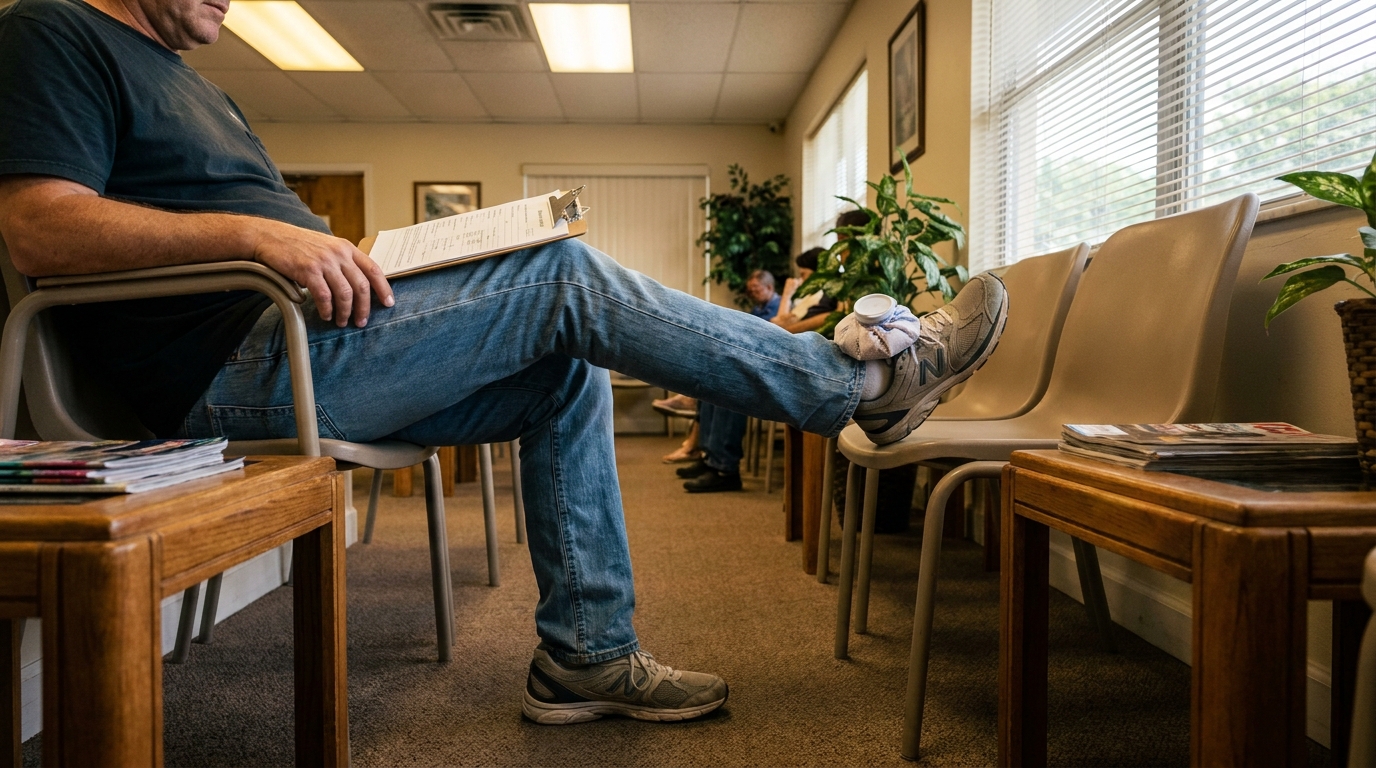
How Long Do You Have to Report a Slip and Fall in Florida?
Florida law sets different deadlines based on whether you fell on private or government property. For private property claims, the negligence-based personal injury statute of limitations is 2 years from the injury date for incidents on or after March 24, 2023. Previously, the deadline was 4 years. Missing this window prevents recovery of any compensation.
Government property falls trigger different rules. Under FL § 768.28(6)(a), you must present written notice to the appropriate agency and, for state agencies, to the Florida Department of Financial Services before filing suit. Municipalities and counties don’t require separate notice to the Department. This written notice is mandatory and must be submitted within 3 years of the injury (2 years for wrongful death). The pre-suit notice deadline doesn’t extend the underlying 2-year negligence statute of limitations, both deadlines must be met independently. Failure to comply bars recovery.
💡 Pro Tip: Don’t confuse reporting the incident to a property manager with formally filing a claim or lawsuit. Report immediately, then consult an attorney about formal filing deadlines.
Key Differences: Private Property vs. Government Property Claims
The property type dictates which legal process applies to your Miami claim. The table below highlights critical distinctions.
| Factor | Private Property | Government Property |
|---|---|---|
| Governing Law | FL § 768.0755 (premises liability) | FL § 768.28 (sovereign immunity waiver) |
| Pre-Suit Notice Required | Generally no | Yes, written notice mandatory |
| Notice Recipients | N/A | Appropriate agency + FL Dept. of Financial Services (state agencies only; not required for municipalities or counties) |
| Claim Filing Deadline | 2 years from date of injury (for negligence claims accruing on or after March 24, 2023) | Written notice within 3 years (2 years for wrongful death), plus the underlying 2-year statute of limitations for negligence must also be met |
| Damage Caps | Generally none beyond jury verdict | Caps imposed under § 768.28 ($200,000 per claimant; $300,000 per incident) |
Missing the government pre-suit notice deadline eliminates your ability to seek damages. Even with strong evidence, procedural noncompliance can be fatal to your case.
💡 Pro Tip: If you fell on a city sidewalk, public park, or government building in Miami-Dade County, assume stricter government rules apply and act quickly to submit written notice.
What You Must Prove in a Miami Slip and Fall Case
The Four Essential Elements
A successful Miami slip and fall claim requires proving four elements: duty of care, breach, causation, and damages. The property owner must have owed you a duty to maintain safe conditions. You must show they breached that duty by allowing a hazardous condition. You must demonstrate the breach directly caused your fall and injuries. Finally, you need evidence of actual damages like medical expenses, lost income, or pain and suffering.
Duty of care varies by your legal status on the property. Under premises liability principles, property owners owe the highest duty to invitees (shoppers, restaurant patrons). Licensees (social guests) receive reduced duty. Trespassers generally receive the least protection.
Proving Knowledge of the Dangerous Condition
For slip and fall cases involving transitory substances inside businesses, you bear the burden of proof. Under FL § 768.0755, you must show the business had actual or constructive knowledge of the dangerous condition and failed to remedy it. Constructive knowledge can be established by proving the hazard existed long enough that a reasonably careful business should have discovered it, or that it occurred with regularity making it foreseeable.
💡 Pro Tip: When proving constructive knowledge, look for evidence like dirty or discolored spills suggesting the substance sat for a long time, or witness testimony that employees walked past the hazard without addressing it.
How Florida’s Comparative Fault Rule Affects Your Recovery
Even if a property owner was negligent, your actions may reduce or eliminate recovery. Florida follows a modified comparative fault system under FL § 768.81(6). If you’re found over 50 percent at fault for your injury, you’re completely barred from recovering damages. If your fault is 50 percent or less, your recovery is reduced proportionally by your fault percentage.
This rule makes timely evidence gathering a priority. Incident reports, photographs, video footage, and witness statements help establish that the property owner bears greater responsibility. Without strong documentation, property owners may shift blame by arguing you were distracted, wearing improper footwear, or ignoring warnings. Visit our slip and fall blog for more guidance on building a strong case.
💡 Pro Tip: If surveillance cameras were present, request that the property owner preserve footage immediately. Video evidence disappears quickly if not formally requested, and it’s often the most powerful proof available.
Steps to Take Immediately After a Slip and Fall in Miami
Acting quickly protects both your health and legal rights. Follow these steps to strengthen your claim:
- Report the incident to the property owner or manager immediately and request a written incident report
- Document the scene with photos and videos of the location, hazardous condition, your injuries, and footwear
- Collect witness names and contact information
- Seek prompt medical attention, even if injuries seem minor
- Keep all medical records, bills, and correspondence
Delaying these steps weakens your position. Evidence disappears, memories fade, and conditions get repaired. The sooner you document a slip and fall incident report in Florida, the better your chances of establishing liability.
💡 Pro Tip: Send follow-up written communication (like email) to the property owner confirming incident details. This creates a time-stamped record valuable if disputes arise about whether and when you reported the fall.
How a Miami Slip and Fall Lawyer Can Help Protect Your Deadline
Navigating reporting requirements and legal deadlines while recovering from injuries can be overwhelming. An experienced slip and fall lawyer in Miami ensures you meet every procedural requirement, from filing government pre-suit notices under FL § 768.28 to gathering evidence before it’s lost.
The Miami slip and fall deadline isn’t negotiable. Whether your injury occurred at a grocery store, hotel, restaurant, or public sidewalk, the clock starts on the incident date. Taking prompt action and understanding how long you have to report a slip and fall in Florida can mean the difference between a successful claim and a forfeited one.
Frequently Asked Questions
1. Do I need to file a written notice before suing a government entity for a slip and fall in Miami?
Yes. Under FL § 768.28(6)(a), if your fall occurred on government property, you must present written notice to the appropriate agency and, for state agencies, to the Florida Department of Financial Services before filing suit. Municipalities and counties don’t require notice to the Department. This is mandatory, and noncompliance bars your claim.
2. What happens if I was partially at fault for my slip and fall?
Under Florida’s modified comparative fault rule in FL § 768.81(6), if you’re over 50 percent at fault, you cannot recover damages. If your fault is 50 percent or less, your compensation is reduced by your fault percentage.
3. What do I need to prove to win a slip and fall case against a Miami business?
Under FL § 768.0755, you must prove the business had actual or constructive knowledge of the hazardous condition and failed to fix it. Constructive knowledge may be shown by evidence the hazard existed long enough for a careful business to discover it, or occurred with regularity making it foreseeable. You must also prove duty, breach, causation, and damages.
4. Should I report a slip and fall even if my injuries seem minor?
Yes. Injuries sometimes worsen over time. Immediate reporting and medical attention create a documented record tying injuries to the fall. Delayed reporting creates gaps that may challenge your claim.
5. Does the Florida slip and fall time limit differ for wrongful death claims?
When a government property slip and fall results in wrongful death, written notice under FL § 768.28(6)(a) must be presented within 2 years, not the standard 3-year window for personal injury. The general wrongful death statute of limitations in Florida is also 2 years from the date of death.
Take Action Before Your Miami Slip and Fall Deadline Passes
Time is one of the most valuable assets in any slip and fall case. The sooner you document the incident, seek medical care, and understand your legal deadlines, the stronger your position. Whether dealing with private property owners or government entities, Florida’s procedural requirements are strict and unforgiving. Don’t let a missed deadline stand between you and the compensation you deserve.
The Soffer Firm has been voted Super Lawyers "Rising Star" and "National Trial Lawyers – Top 40 Under 40" multiple years because of our dedication to clients. We work on a contingency basis, meaning we don’t get paid unless you do. Our track record includes millions recovered for our clients.
Our Florida personal injury lawyers are here to guide you through your legal case. Contact us today at 305-503-5634.


