
Undocumented Immigrant Car Accident Claim in Miami: Pursuing Damages After the Turnpike Trucker Crash
Key Takeaways: After a fatal crash involving an undocumented trucker on the Florida Turnpike, injured victims and grieving families have real civil remedies under Florida law. The Florida Wrongful Death Act allows both survivors and the decedent’s estate to pursue separate categories of damages. A driver’s immigration status does not erase a victim’s right to compensation. Florida’s 2023 shift to modified comparative negligence now bars recovery for anyone found more than 50% at fault. Identifying every liable party, including trucking companies, is central to maximizing recovery. Deadlines apply, and courts interpret exceptions narrowly.
A recent fatal crash involving an undocumented commercial trucker on the Florida Turnpike has left Miami-area families searching for answers about their legal options. When a large truck causes a catastrophic collision, the aftermath is rarely simple, and questions about the driver’s immigration status often add confusion. For residents and visitors across Miami-Dade County, understanding how civil damages work in this situation can make the difference between feeling powerless and taking meaningful action. At our firm, we help people navigate exactly these moments.
The core legal truth is straightforward: a trucker’s immigration status generally does not bar an injured victim or a grieving family from pursuing a civil claim in Florida. Civil liability turns on negligence and causation, not citizenship. That principle is what allows an undocumented immigrant car accident claim in Miami to move forward on the same footing as any other negligence action. Below, we explain the governing law, walk through a realistic scenario, and answer the questions we hear most often.
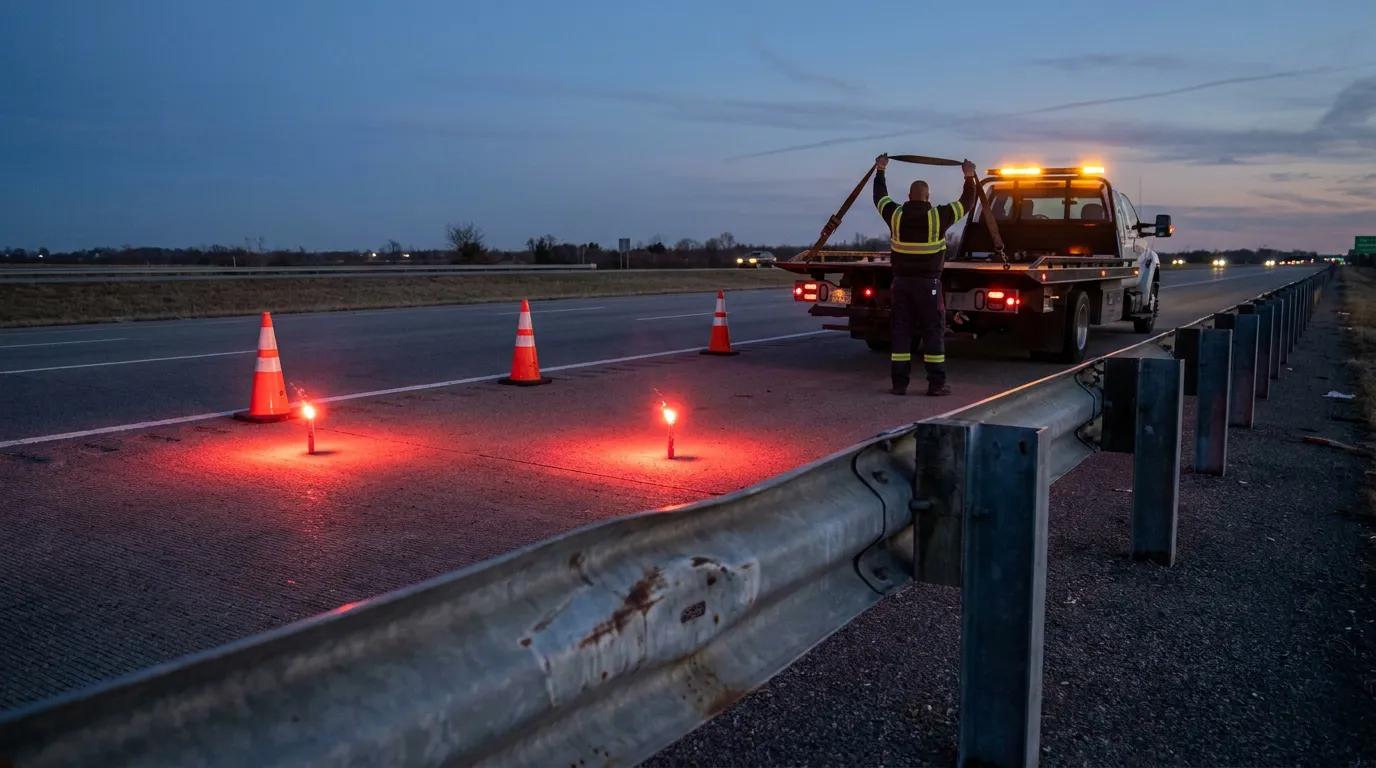
The Florida Laws That Govern a Fatal Turnpike Truck Crash
Florida’s foundational statute for a fatal collision is the Wrongful Death Act. Sections 768.16-768.26 may be cited as the "Florida Wrongful Death Act." This body of law names the cause of action and gives standing to both surviving family members and the estate of a person killed in a truck crash. The Act reflects a clear legislative choice about who should bear the financial consequences of a wrongful death.
That legislative choice favors families, not wrongdoers. It is the public policy of the state to shift the losses resulting when wrongful death occurs from the survivors of the decedent to the wrongdoer, and Sections 768.16-768.26 are remedial and shall be liberally construed. In practical terms, a negligent trucking company or driver may be required to absorb the losses a family suffers. This "liberally construed" language matters because courts generally read remedial statutes to serve their protective purpose, though outcomes still depend on the specific facts.
The statute also confirms that a civil remedy exists even when criminal charges are filed. A right of action for civil damages shall exist under s. 768.19, under all circumstances, for all deaths described in this section. This is important in reckless-driving cases. "Vehicular homicide" is the killing of a human being caused by the operation of a motor vehicle by another in a reckless manner likely to cause the death of, or great bodily harm to, another. A criminal case and a civil claim run on separate tracks, and a family generally does not have to wait for a conviction to seek compensation.
How Comparative Fault Shapes Victim Compensation in a Truck Crash
Florida allocates damages using its comparative fault system, codified in Florida Statute 768.81. Under this framework, a jury may assign percentages of fault among multiple parties, including a trucking company, its driver, and potentially other motorists or road conditions. You can review the modified comparative negligence statute to see how the current rules define recovery. Understanding this allocation is often the heart of litigation strategy in a multi-vehicle Florida Turnpike truck crash.
The 2023 tort reform changed the calculus significantly. Florida moved from a pure comparative negligence model to a modified comparative negligence standard. Under the amendment, a plaintiff found more than 50% at fault for their own harm may be barred from recovering damages at all. This modified standard applies to negligence actions generally but does not apply to claims for medical negligence, which remain governed by pure comparative fault. For a broader academic overview of the doctrine, the concept of dividing fault between parties helps illustrate why every percentage point can matter.
Legal commentators continue to debate how these rules should be applied. Reasonable practitioners disagree about how juries weigh shared responsibility, and that debate is ongoing rather than settled. Because fault findings are fact-dependent, the same crash could produce very different outcomes depending on the evidence preserved and presented. This is one reason acting promptly to document a scene can be so consequential.
A Realistic Miami Scenario: When the Turnpike Turns Tragic
Imagine a Miami family driving home on the Turnpike when a commercial truck, operated by an undocumented driver, drifts across lanes and causes a fatal collision. The surviving spouse is injured, one parent is killed, and the family is suddenly facing medical bills, funeral costs, and lost income. In the confusion, an insurance adjuster suggests the driver’s status somehow limits the family’s options. That suggestion is generally misleading.
In this scenario, several categories of damages may be available under Florida law. The estate and the survivors can pursue different, non-overlapping losses, and identifying every liable party is essential. Trucking cases often involve commercial vehicle negligence claims against the company that owned the truck, employed the driver, or controlled the load. If you are weighing whether to act, it may help to consult a lawyer about how these claims fit together.
Here are damage categories that may apply in a wrongful death truck crash:
-
Survivor support and services: Each survivor may recover the value of lost support and services from the date of the decedent’s injury to death, with interest, and future loss of support and services from the date of death, reduced to present value.
-
Spousal loss: The surviving spouse may also recover for loss of the decedent’s companionship and protection and for mental pain and suffering from the date of injury.
-
Parental loss: Each parent of a deceased minor child may also recover for mental pain and suffering from the date of injury, and medical or funeral expenses may be recovered by a survivor who has paid them.
-
Estate losses: The decedent’s personal representative may recover for the estate the loss of earnings of the deceased from the date of injury to the date of death, less lost support of survivors, with interest.
Identifying Every Liable Party in a Commercial Vehicle Case
Trucking liability in Florida rarely stops with the person behind the wheel. A thorough investigation often examines the motor carrier, maintenance records, hours-of-service logs, and hiring practices. When a government entity plays a role, additional rules apply.
Florida provides only a limited waiver of sovereign immunity for claims against public entities. The state, for itself and for its agencies or subdivisions, waives sovereign immunity for liability for torts in the same manner and to the same extent as a private individual under like circumstances. If an entity like the Florida Turnpike Enterprise is implicated, a claimant may be required to satisfy pre-suit notice requirements, and courts generally interpret these procedural conditions strictly. That waiver is also capped: under Section 768.28, recovery against a government entity is generally limited to $200,000 per person and $300,000 per incident, and any amount beyond those limits ordinarily can be paid only through a legislative claim bill. This administrative claim process is distinct from the ordinary civil filing deadline.
Because these cases involve overlapping deadlines, timing deserves close attention. Civil statutes of limitations, government administrative claim deadlines, and evidence-preservation windows each operate differently. Tolling or discovery-based extensions may apply in limited circumstances, but courts generally construe such exceptions narrowly, and none should be treated as automatic. If you want to understand your rights as a victim, our team as a dedicated Miami truck accident lawyer can help you evaluate the timeline that applies to your facts.
How Does This Impact Me?
Does the Trucker’s Immigration Status Affect My Claim?
Generally, no. Civil liability in Florida turns on negligence and causation, and a victim’s right to pursue an undocumented immigrant car accident claim in Miami does not disappear because of the at-fault driver’s status. Recovery may depend on available insurance coverage and the assets of liable companies, which is why identifying every defendant matters.
Can I Still Recover if I Was Partly at Fault?
Possibly, but the 2023 reform imposes a threshold. Under Florida’s modified comparative negligence rule, a party found more than 50% at fault for their own harm may be barred from recovery. If you are found partially responsible but at or below that threshold, your damages may be reduced in proportion to your share of fault.
What Deadlines Apply to My Case?
Florida imposes time limits that vary by claim type. Wrongful death and negligence claims carry civil statutes of limitations, while claims against government entities carry separate notice deadlines. These deadlines are not guaranteed to extend, and any exception generally applies only in limited circumstances, so prompt action is wise.
What Should I Do Next After a Fatal Turnpike Crash?
Focus first on health and documentation. Seek medical care, preserve any evidence such as photos and records, and avoid giving recorded statements to an adjuster before understanding your rights. Speaking with counsel early can help protect claims that might otherwise be weakened.
Will Hiring a Lawyer Cost Me Upfront?
At our firm, we work on a contingency basis, meaning we do not get paid unless you do. That structure is designed to make legal help accessible during a financially stressful time. Every case is different, and outcomes depend on the specific facts.
Moving Forward With Clarity After a Devastating Loss
A fatal Turnpike crash involving an undocumented trucker raises hard questions, but Florida law provides a clear framework for pursuing accountability. The Wrongful Death Act, the comparative fault statute, and the limited sovereign immunity waiver each shape what a family can recover and from whom. Because these cases are fact-sensitive, the strongest claims are built on early investigation, careful legal analysis, and attention to deadlines. No article can substitute for advice tailored to your situation.
If this news affects you or someone you love, we are here to help you understand your options. You can reach The Soffer Firm by phone at 305-503-5634 or contact us today to discuss the details of your case. We will listen, explain how the law may apply, and help you decide on your next step.


