
How Florida’s Sovereign Immunity Framework Shapes Public Property Fall Damages
Key Takeaways: Governor DeSantis vetoed HB 145, so Florida’s sovereign immunity caps stay at $200,000 per person and $300,000 per incident. Injured people can still sue Florida government entities for negligence, but they have to meet strict pre-suit notice requirements first. A court can enter a judgment above the caps, and the excess generally can be paid only through a legislative claim bill. A government entity may settle above the caps only within the limits of its insurance coverage. Punitive damages and pre-judgment interest are not recoverable against the government. Because claim bills depend on the Legislature’s discretion, a strong record of evidence matters from the first day.
Picture a sudden fall on a cracked county sidewalk, a wet floor in a city building, or a broken step at a public transit station. For many people in Miami, the first question is whether they can hold the government accountable at all. Often you can, but Florida law limits how much you can collect, and the recent veto of HB 145 means those limits are not changing for now. Below, we explain what the veto means for injured pedestrians and visitors in Miami-Dade, and how attorneys generally pursue a claim bill when a person’s damages are larger than the statutory cap.
Florida has waived sovereign immunity for tort claims, but only up to set limits. Under section 768.28 of the Florida Statutes, Chapter 768, the state and its agencies and subdivisions, including Miami-Dade County and the City of Miami, "shall be liable for tort claims in the same manner and to the same extent as a private individual under like circumstances." In practice, a slip and fall on government property is generally handled as an ordinary negligence claim. It is still subject to statutory limits, and courts continue to recognize immunity for discretionary, planning-level government decisions.
The same statute caps what a government defendant can be made to pay. For claims arising on or after October 1, 2011, a government entity does not have to pay any claim or judgment by one person above $200,000. It also does not have to pay more than $300,000 when all claims from the same incident are added together. Because HB 145 was vetoed, these remain the caps. We discuss how these limits compare to other restrictions in our overview of Florida damage caps.
Some types of damages are off the table no matter what. Section 768.28(5)(a) states that government liability "shall not include punitive damages or interest for the period before judgment." That matters when you estimate public property fall damages. Your claim generally focuses on compensatory losses, such as medical bills, lost wages, and pain and suffering. Keep in mind that the statute also limits attorney’s fees to 25% of any judgment or settlement.
Which Public Bodies Are Covered
Not every entity that looks private is outside the caps, and not every public-looking entity is inside them. Florida Attorney General opinions have looked at whether bodies such as hospital boards count as state agencies or subdivisions for immunity purposes. AG opinions are persuasive guidance, not binding law. Even so, attorneys often consult them early to decide whether a claim is capped and whether the claim bill route may become necessary. A private contractor that maintains public property may also be liable, and its liability is generally not limited by these caps.
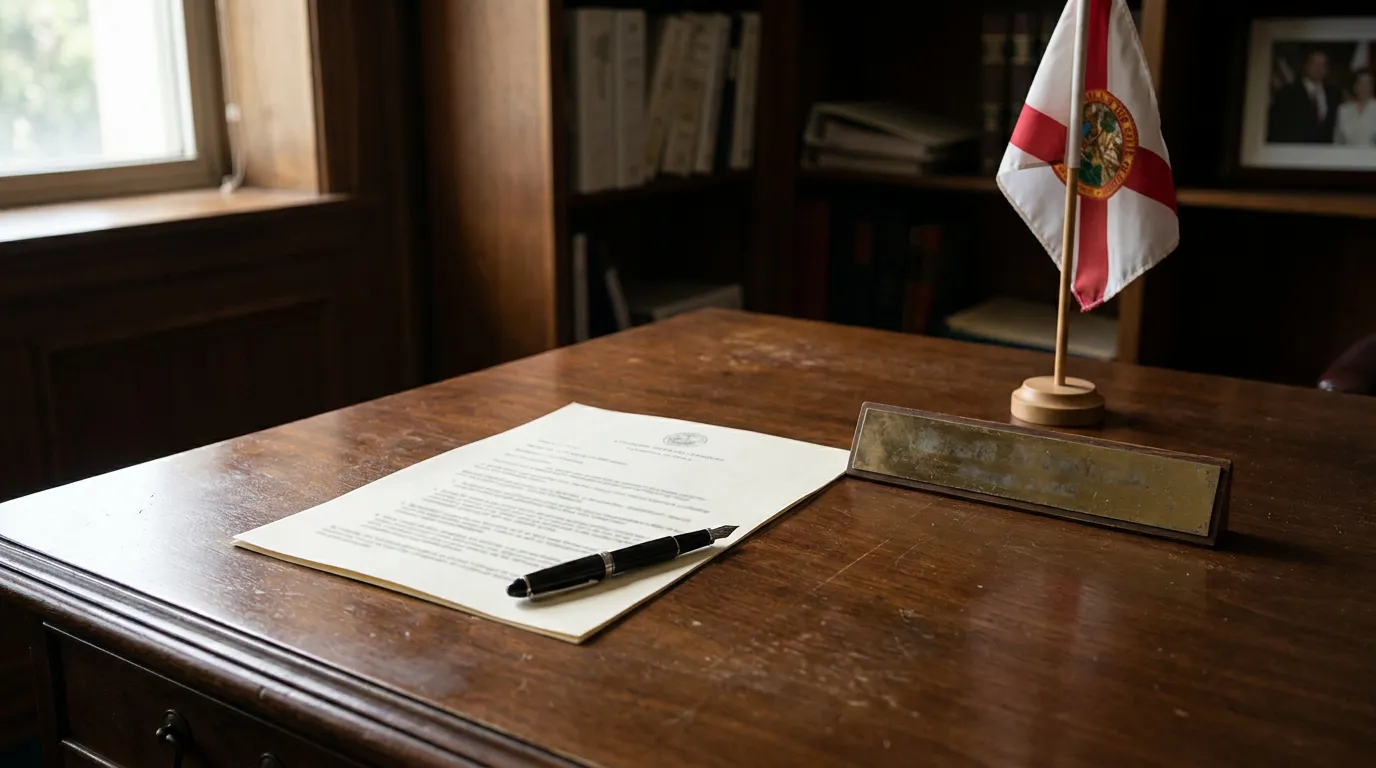
A Miami Injured Pedestrian on Public Property: A Hypothetical
Consider Maria, a 68-year-old retiree who trips on a raised, broken slab of sidewalk outside a county-run library in Miami. She fractures her hip, needs surgery and months of rehabilitation, and can no longer care for her grandchildren. Her family later learns that neighbors had reported the hazard several times. Her medical costs alone could approach the $200,000 cap before anyone accounts for her pain or loss of independence.
If a jury later awards Maria $1 million, the county would generally have to pay only up to the cap. She could collect the rest only if the Legislature passes a claim bill, unless the county agrees to settle for more within its insurance coverage. This example is illustrative only. Real outcomes depend on the specific facts, the evidence of notice, and medical causation.
Proving Negligence in a Slip and Fall on Government Property
The government is liable "in the same manner" as a private person, so your burden of proof generally looks familiar. You typically have to show that the entity knew or should have known about the dangerous condition, failed to fix it or warn people within a reasonable time, and that this failure caused your injuries. Government defendants often argue that they lacked notice, that the hazard was open and obvious, or that you were partly at fault. Under Florida’s modified comparative negligence rule, being more than 50% at fault can bar recovery entirely. Early documentation can help you respond to those arguments.
Practical steps that may strengthen your claim include:
- Photographing the hazard, the surrounding area, and any missing warning signs as soon as you safely can
- Collecting witness names and contact information
- Requesting public records, such as prior complaints, 311 reports, or maintenance logs
- Getting prompt medical care so your records connect the fall to your injuries
- Keeping receipts, wage records, and a journal of how your injuries affect daily life
The Pre-Suit Notice Rules You Cannot Skip
Before filing suit, you generally have to present your claim in writing to the responsible agency within 3 years after the claim accrues. Wrongful death claims have a shorter 2-year notice period. Claims against the state must also go to the Department of Financial Services. Claims against a municipality or county, such as the City of Miami or Miami-Dade County, do not have to be sent to DFS.
Waiting Periods and Conditions Precedent
Under section 768.28(6)(b), notice and denial are "conditions precedent to maintaining an action," not elements of the claim itself. If the agency or DFS does not make a final decision within 6 months after the claim is filed, the claim is treated as denied and suit may proceed. For medical malpractice and wrongful death claims, that period is 90 days. This administrative notice deadline is separate from the civil statute of limitations for filing a lawsuit. Under section 768.28(14), negligence suits against government entities generally have to be filed within 4 years. Any tolling or exception to either deadline is fact-specific, and courts tend to interpret those exceptions narrowly. Missing a deadline could end an otherwise valid claim, so timing deserves careful attention.
Excess Judgment Government Florida: How the Claim Bill Process Works
A court can still enter a judgment above the caps, which is often called an excess judgment. Section 768.28(5)(a) says the portion above the caps "may be reported to the Legislature, but may be paid in part or in whole only by further act of the Legislature." That further act is the claim bill.
Settlement Within Insurance Limits
A government entity may settle above the caps without a claim bill, but only within the limits of its insurance coverage. Buying insurance does not waive sovereign immunity or raise the caps, and the entity is not required to settle above them. For that reason, attorneys often review the entity’s coverage before deciding whether a claim bill is necessary.
Building the Legislative Record
Claim bills depend on the Legislature’s discretion, which means persuasion matters as much as procedure. The Florida Bar Journal’s guide to legislative claim bills describes the steps involved, including filing requirements, finding a legislative sponsor, and committee review. Because each claim bill requires individual legislative action, attorneys generally need to present compelling documentation of liability and damages. Even then, passage is not assured, the Legislature may approve less than the full excess amount, and the process can take years.
How Does This Impact Me?
Does the HB 145 Veto Lower What I Can Recover?
No, the veto keeps the existing caps of $200,000 per person and $300,000 per incident. Recovery above those amounts generally requires an insurance-based settlement or a claim bill. Your potential recovery depends on your facts and the entity involved.
Does the Veto Change My Deadline?
The veto did not change the written notice requirement in section 768.28(6)(a), which is generally 3 years, or 2 years for wrongful death. A separate statute of limitations also applies to the lawsuit itself, and it is generally 4 years for negligence claims against government entities. Because these deadlines interact in complex ways, it is wise to review your timeline promptly.
Can I Get Punitive Damages Against the City or County?
No. The statute bars punitive damages and pre-judgment interest against government entities. You may still pursue compensatory damages.
What Should I Do Next?
Document the scene, get medical care, and preserve your records. Talking with a government slip and fall attorney Miami residents can contact may help you identify the correct agency and meet the notice requirements.
What the Veto Means for Injured Miami Residents Going Forward
The HB 145 veto keeps Florida’s sovereign immunity framework in place, caps and claim bills included. If you suffer a slip and fall on government property, you may have a path to compensation. That path runs through strict notice rules, limited damages, and possibly a discretionary legislative process. A careful, well-documented claim gives you the best footing at every stage.
If you have questions about a fall on public property, you can reach out to The Soffer Firm for more information. We work on a contingency basis, meaning we don’t get paid unless you do. Call us at 305-503-5634 or contact us today to talk about your situation.


