
When should I contact a car accident attorney after a crash in Florida as HB 543 expands school zone camera evidence in Miami?
Key Takeaways: Florida’s school zone speed detection rules matter for more than traffic tickets. As July 2026 approaches, Miami drivers and injured victims should understand that camera photos, video, and speed data may be used to establish civil liability after a crash. The law limits enforcement to violations exceeding 10 mph over the speed limit during defined school-related time windows. For injured people, fast action preserves camera records, crash reports, and witness statements before evidence disappears. The practical answer to when should I contact a car accident attorney after a crash in Florida is as soon as possible after addressing medical needs.
Florida’s July 2026 school zone enforcement landscape affects injury claims in Miami. HB 543 Florida 2026 has heightened attention on school zone speed detection, which matters for anyone hurt in a Miami school zone accident. If a speeding driver hits a pedestrian, cyclist, child passenger, or another vehicle near a school, automated evidence may prove negligence and fault allocation in a civil case.
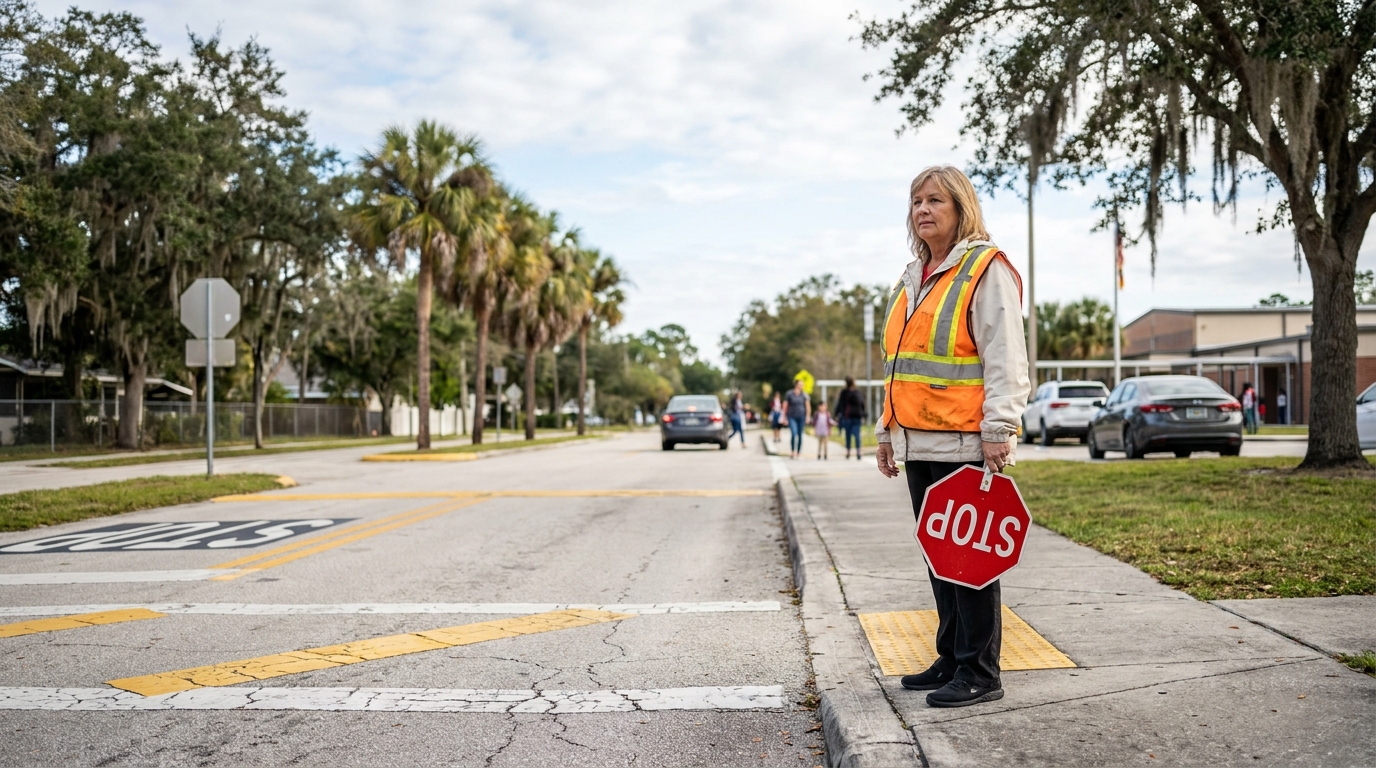
Why this July 2026 change matters in Miami auto accident cases
Florida law allows counties and municipalities to use automated school zone speed detection systems under specific statutory conditions. The system captures violations exceeding the speed limit by more than 10 mph during enforcement windows tied to school activity: 30 minutes before through 30 minutes after breakfast programs, school session starts and ends, and during regularly scheduled sessions. This is targeted Florida transportation safety law for high-risk school areas.
The local rollout has procedural guardrails that matter in litigation. Counties or municipalities must adopt an ordinance, consider traffic data supporting each system, determine heightened safety risk, and obtain governing body approval before placing cameras. First-time programs require a public awareness campaign at least 30 days before enforcement begins.
For injured victims, the key development extends beyond ticketing. Recorded school zone images and video may determine criminal or civil liability. Speed camera crash evidence may show a driver was speeding at collision time, supporting negligence claims when combined with medical records, witness statements, scene photos, and police investigation.
The legal framework behind school zone speed detection
Automated school zone enforcement is limited by speed threshold, time window, and local authorization. Violations generally must exceed 10 mph over the speed limit during authorized enforcement windows. Registered owners must receive notice of violation within 30 days including plate image, date, time, location, detected speed, and applicable speed limit. Readers can review controlling traffic provisions at Florida traffic statutes.
Equipment reliability matters if camera evidence becomes important in crash cases. Florida law requires self-tests at least every 30 days and independent calibration at least once every 12 months. Plaintiff’s attorneys may seek maintenance and calibration materials in discovery to evaluate whether speed readings will withstand defense challenges.
What the camera program does and does not prove
Camera readings may support fault but don’t automatically decide cases. Speed images provide powerful evidence of negligent driving, yet causation, injuries, comparative fault, and damages remain fact-specific issues requiring full record evaluation.
Timing disputes may become important. Recurring arguments question whether the reduced school zone speed limit was actually in effect at incident time, especially where signage, beacon status, or local timing practices are disputed. Early record preservation is critical.
Administrative penalties can overlap with civil exposure
Drivers who speed unlawfully and cause crashes may face more than citations. Florida’s point system may assign 6 points for unlawful speed resulting in a crash. That administrative consequence doesn’t establish civil liability, but may fit into broader negligence proof.
A realistic Miami scenario after a school zone crash
Imagine a parent driving through Miami-Dade near school pickup when another driver enters the zone allegedly exceeding the limit by more than 10 mph. The speeding vehicle strikes a car in the crosswalk approach, causing child passenger injury and sending the parent to the hospital with neck and back trauma.
In that situation, when should I contact a car accident attorney after a crash in Florida becomes a practical question about preserving proof before it’s lost. A lawyer may quickly identify whether the school zone had an active speed detection system, whether cameras captured fault-relevant images, and whether public-awareness rules were followed.
Comparative fault issues can be dangerous for victims. Florida follows modified comparative fault, and a person found more than 50% at fault may be barred from recovering damages. If insurers or defense lawyers argue the injured driver was distracted or entered the zone improperly, early evidence collection substantially affects responsibility apportionment.
When should I contact a car accident attorney after a crash in Florida?
In many school zone injury cases, the safest answer is promptly after addressing emergency medical needs. Not every crash requires immediate litigation, but delays make it harder to preserve video, identify witnesses, obtain municipal records, and protect against harmful insurer statements. If there is injury, disputed fault, pedestrian injury, or death, early legal review is prudent.
The same urgency applies to official crash documentation. Florida law requires drivers to immediately notify law enforcement after crashes involving injury, death, or at least $500 in apparent damage. Before evidence trails go cold and before insurance narratives harden against you, consider legal guidance.
Early steps that often help injured victims
The first days after a crash can shape the entire claim. These actions commonly help preserve rights:
- Get medical evaluation quickly and follow treatment instructions so records reflect injury timeline.
- Report the crash accurately to law enforcement and request identifying information for the report.
- Preserve photos, dashcam footage, and witness contacts before phones are replaced or memories fade.
- Avoid detailed recorded statements to opposing insurers before understanding facts and injuries.
- Ask whether school zone camera footage exists and whether the local program was active.
- Document wage loss and out-of-pocket costs from the start.
Miami victims can benefit from learning how local crash reporting systems identify public crash information quickly. For readers trying to understand evidence sources after Auto Accidents in Miami/Florida, this guide on Miami-Dade crash information can be useful.
Deadlines still matter even if camera evidence exists
Strong liability records don’t suspend filing deadlines. In Florida, negligence claims generally must be filed within two years, and wrongful death claims face two-year limitations periods, subject to limited exceptions courts often interpret narrowly. Readers can review Florida limitations law.
That deadline is separate from administrative procedures tied to camera notices. Vehicle owners may request hearings within 30 days after receiving notices of violation. But civil injury cases and camera citation proceedings are different matters, even when arising from the same school zone event.
What lawyers may investigate in a school zone crash case
Plaintiff-side investigations usually ask more than whether tickets were issued. The central issue is whether available evidence can prove negligence, causation, damages, and fault percentage. Camera evidence may become only one part of larger proof structure.
Evidence categories that may matter
Several evidence sources may work together: camera photographs and video, calibration and self-test logs, traffic crash reports, bodycam or scene investigation materials, school zone signage and timing records, witness and occupant statements, EMS and hospital records, and cell phone, rideshare, or vehicle data where appropriate.
Why local ordinances and activation windows can matter
School zone camera cases vary across Florida. Because municipalities must adopt ordinances and make local determinations about heightened safety risk, Miami implementation may differ from other cities. Car accident attorney school zone cases may involve both statewide statutes and local records.
Defense arguments may focus on program compliance rather than just speed. If the defense disputes whether the system operated within correct time windows or whether equipment was properly maintained, those questions can affect camera record evidentiary weight.
How Does This Impact Me?
If I was hurt in a Miami school zone accident, does camera evidence help my case?
It may help as part of a larger evidence file. Camera images can support proof that a driver was speeding in an active school zone, strengthening negligence arguments. You still need to connect that conduct to the crash and your injuries through medical and scene evidence.
Does HB 543 Florida 2026 change the time I have to file a lawsuit?
No general extension comes from school zone camera rollout. Negligence and wrongful death deadlines generally remain governed by Florida’s two-year limitations framework. Administrative deadlines for camera hearings are separate from civil filing deadlines.
What if the other side says the school zone speed limit was not active?
That can become fact-sensitive. Enforceability of reduced school zone speed limits may depend on statutory time windows, signage, beacon status, and local implementation facts. Records about school hours, zone operation, and municipal implementation may become important.
Can a speed camera ticket alone prove the other driver caused my injuries?
Usually not by itself. Citations or recorded speed events may be strong supporting evidence, but causation and damages must still be shown. Florida comparative fault rules allow defendants to argue that others, including the injured person, share responsibility.
What should I do next if I am wondering when should I contact a car accident attorney after a crash in Florida?
If you’re asking that question after an injury crash, get legal guidance sooner rather than later. Early review may preserve camera data, crash reports, and witness information while reducing risk of avoidable insurer mistakes. If your case involves serious injuries, a child, a pedestrian, disputed fault, or lost income, prompt action is important.
What this July 2026 shift means for injured people in Miami
School zone speed detection may influence far more than traffic enforcement. Miami, Florida traffic law July 2026 developments could create new evidence pathways for victims proving that speeding drivers caused crashes near schools. These claims remain fact-dependent, and issues like timing, calibration, local compliance, comparative fault, and filing deadlines affect outcomes.
For many readers, the practical question remains when should I contact a car accident attorney after a crash in Florida. When injuries are involved, when fault is disputed, or when speed camera crash evidence may exist, earlier legal guidance preserves options. If you need more information about your rights after a Miami school zone accident, review this when should I contact a car accident attorney after a crash in Florida lawyer resource for additional context.
The Soffer Firm has been voted Super Lawyers "Rising Star" and "National Trial Lawyers – Top 40 Under 40" multiple years because of our dedication to clients. We work on a contingency basis, meaning we don’t get paid unless you do. Our track record includes millions recovered for our clients.
Our Florida personal injury lawyers are here to guide you through your legal case. Contact us today at 305-503-5634.