
Understanding Kitchen Spill Liability for Miami Restaurant Workers
Kitchen accidents can happen in seconds, leaving restaurant workers injured and uncertain about their rights. Whether you slipped on grease while rushing through dinner service or fell on a wet floor during prep work, you may wonder if your employer bears responsibility for your injuries. Miami restaurant kitchens present unique hazards, from cooking oil spills to water puddles from dishwashing areas, and Florida law provides specific protections for workers and visitors injured in these environments. Understanding how liability works when accidents occur in restaurant kitchens can help you determine your next steps after an injury.
💡 Pro Tip: Document the accident scene immediately with photos if possible, and report the incident to management right away to create an official record of what happened.
The Soffer Firm has been voted Super Lawyers "Rising Star" and "National Trial Lawyers – Top 40 Under 40" multiple years because of our dedication to clients. We work on a contingency basis, meaning we don’t get paid unless you do. Our track record includes millions recovered for our clients. Our Florida personal injury lawyers are here to guide you through your legal case. Contact us today at 305-503-5634.
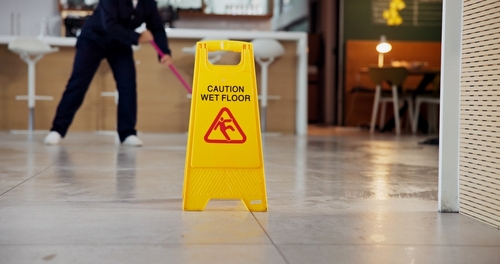
Florida’s Legal Standards for Restaurant Slip and Fall Cases
Under Florida Statute 768.0755, anyone who slips on a transitory foreign substance in a business establishment must prove the business had actual or constructive knowledge of the dangerous condition. This means if you slip on spilled cooking oil or water in a Miami restaurant, you need to show that management either knew about the spill or should have known about it. The law allows you to prove constructive knowledge through circumstantial evidence – for instance, showing the spill existed long enough that staff should have discovered it during routine checks, or demonstrating that spills occur regularly in that area making them foreseeable. This legal framework shapes how courts evaluate kitchen accident cases throughout Miami and determines whether restaurant owners face liability.
💡 Pro Tip: Look for surveillance cameras that may have captured how long the spill existed before your accident, as this footage can be crucial evidence for establishing constructive knowledge.
Steps to Take After a Kitchen Spill Accident in Miami
The timeline following a restaurant kitchen accident can significantly impact your ability to recover compensation. Taking prompt action protects both your health and your legal rights. Florida law sets specific deadlines for filing claims, and gathering evidence becomes more challenging as time passes. Understanding the proper sequence of steps helps ensure you preserve crucial evidence while meeting all legal requirements.
- Seek immediate medical attention for your injuries, even if they seem minor at first
- Report the accident to restaurant management and request a written incident report
- Photograph the spill area, your injuries, and any warning signs or lack thereof
- Collect contact information from witnesses who saw the accident occur
- Request copies of cleaning logs and inspection records from the restaurant
- Consult with a slip and fall lawyer in Miami to understand your legal options
Pursuing Compensation Through Miami’s Legal System
Successfully resolving a kitchen spill accident claim requires understanding both workplace safety regulations and Florida premises liability law. The Soffer Firm has extensive experience helping injured workers navigate these complex cases, working to establish whether restaurant owners failed in their duty to maintain safe working conditions. Restaurant owners in Miami must implement proper safety protocols, provide adequate training, and maintain regular cleaning schedules to prevent foreseeable accidents. When they fail in these responsibilities and workers suffer injuries, the law provides pathways for compensation including medical expenses, lost wages, and pain and suffering damages.
💡 Pro Tip: Keep detailed records of all medical treatments, missed work days, and ongoing symptoms, as comprehensive documentation strengthens your compensation claim.
Proving Restaurant Owner Knowledge of Dangerous Conditions
Establishing that a Miami restaurant owner had knowledge of a dangerous condition often determines the outcome of kitchen spill cases. Florida law recognizes two types of knowledge: actual knowledge where management directly knew about the hazard, and constructive knowledge where they should have known through reasonable care. OSHA guidance reinforces that employers bear primary responsibility for protecting worker safety, which means Miami restaurant owners must implement systems to identify and address hazards promptly.
Evidence That Demonstrates Constructive Knowledge
Constructive knowledge often proves easier to establish than actual knowledge in kitchen accident cases. Key evidence includes surveillance footage showing how long a spill remained on the floor, cleaning logs revealing inspection gaps, and witness testimony about recurring problems in specific areas. For instance, if grease regularly accumulates near a particular fryer station and management fails to increase cleaning frequency, this pattern supports constructive knowledge. Miami courts also consider whether the restaurant followed industry standards for kitchen safety and whether they provided adequate training to prevent and address spills promptly.
💡 Pro Tip: Request the restaurant’s employee training records and safety protocols during discovery, as gaps in training programs can demonstrate negligence in preventing foreseeable accidents.
Common Kitchen Hazards in Miami Restaurants
OSHA identifies that slips, trips, and falls in cooking areas commonly result from cluttered, slippery floors with oil, water, or food on them. Miami restaurants face these same hazards daily, particularly during busy service periods when staff rush between stations. Understanding these common dangers helps both workers and restaurant liability lawyer Miami professionals build stronger cases by demonstrating foreseeability.
Preventable Hazards and Owner Responsibilities
Restaurant owners can implement numerous measures to prevent kitchen accidents, including installing non-slip mats, using no-skid floor waxes, and maintaining strict housekeeping schedules. When Miami restaurant owners fail to implement these basic safety measures despite knowing the risks, they may face liability under Florida slip and fall laws. The presence or absence of these preventive measures often becomes critical evidence in determining whether an accident was truly unavoidable or resulted from negligent safety practices.
Frequently Asked Questions
Understanding Your Rights After a Restaurant Kitchen Accident
Many injured workers have questions about their legal options following kitchen spill accidents. These answers address common concerns about liability, compensation, and the legal process in Miami.
💡 Pro Tip: Write down all your questions before meeting with an attorney to ensure you get comprehensive answers about your specific situation.
Navigating the Claims Process
Filing a slip and fall claim Miami involves several steps and understanding the process helps you make informed decisions about your case.
1. What must I prove to hold a Miami restaurant owner liable for my kitchen slip and fall injury?
Under Florida premises liability lawsuit requirements, you must prove the restaurant had actual or constructive knowledge of the dangerous condition that caused your fall. This means showing they either knew about the spill or should have discovered it through reasonable inspection practices. Evidence like surveillance footage, cleaning logs, and witness statements can help establish this knowledge.
2. How long do I have to file a restaurant spill accident Florida claim?
Florida law sets specific time limits for filing personal injury claims, and missing these deadlines can bar your recovery entirely. The timeline may vary depending on factors specific to your case, making it crucial to consult with a Miami personal injury lawyer promptly to understand your applicable deadlines.
3. Can I receive compensation if I was partially at fault for the kitchen accident?
Florida follows comparative negligence rules, which means you may still recover compensation even if you bear some responsibility for the accident. However, your compensation reduces by your percentage of fault. For example, if you were texting while walking through the kitchen, this might affect your recovery amount.
4. What types of evidence help prove slip and fall liability Florida in restaurant cases?
Strong evidence includes photographs of the spill, surveillance footage showing how long it existed, incident reports, witness statements, cleaning schedules, employee training records, and documentation of similar past incidents. Your Miami kitchen accident lawyer can help identify and preserve crucial evidence for your case.
5. Should I accept the restaurant’s insurance settlement offer without consulting a Miami restaurant accident attorney?
Insurance companies often offer quick settlements that may not fully compensate your injuries and losses. Before accepting any offer, consider having an attorney review it to ensure it accounts for all your damages, including future medical needs and lost earning capacity. Many initial offers fall far short of fair compensation.
Work with a Trusted Slip and Fall Lawyer
Kitchen spill accidents can result in serious injuries that impact your ability to work and support your family. Understanding your rights under Florida law and working with experienced legal counsel helps ensure you receive fair compensation for your injuries. A knowledgeable attorney can investigate your accident, gather crucial evidence, negotiate with insurance companies, and advocate for your interests throughout the legal process. They understand the specific challenges of proving restaurant liability and can help you navigate the complexities of Florida’s premises liability laws while you focus on recovering from your injuries.
The Soffer Firm has been voted Super Lawyers "Rising Star" and "National Trial Lawyers – Top 40 Under 40" multiple years because of our dedication to clients. We work on a contingency basis, meaning we don’t get paid unless you do. Our track record includes millions recovered for our clients. Our Florida personal injury lawyers are here to guide you through your legal case. Contact us today at 305-503-5634.